
The Google Ads platform offers a wide range of campaign types, each designed to support different marketing goals — from driving immediate sales to building brand awareness at scale.
Choosing the right campaign type is one of the most important decisions advertisers make. Pick the wrong one, and even the best strategy can underperform. Pick the right one, and Google’s automation can work very much in your favour.
Below is a straightforward overview of the main Google Ads campaign types currently available, what they’re used for, and when they make sense.
Search Campaigns
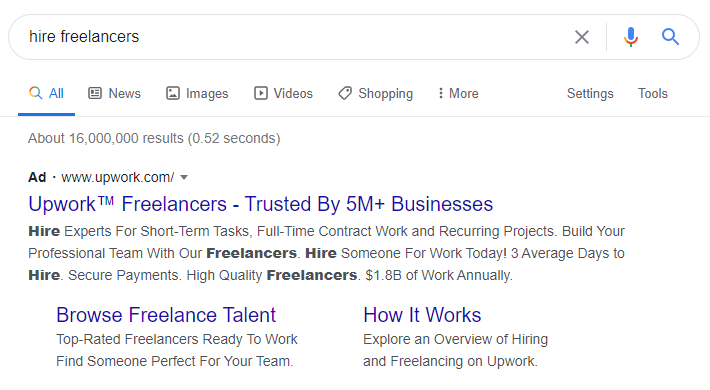
Search campaigns are the most common and widely used campaign type. These ads appear on Google search results pages when users actively search for keywords related to your products or services.
Best for:
- Capturing high-intent demand
- Lead generation and direct sales
- Local services and B2B advertising
Key features:
- Keyword-based targeting
- Text ads (Responsive Search Ads)
- Strong performance when demand already exists
Search campaigns are often the backbone of a Google Ads account, particularly for advertisers focused on return on investment rather than pure visibility.
Display Campaigns
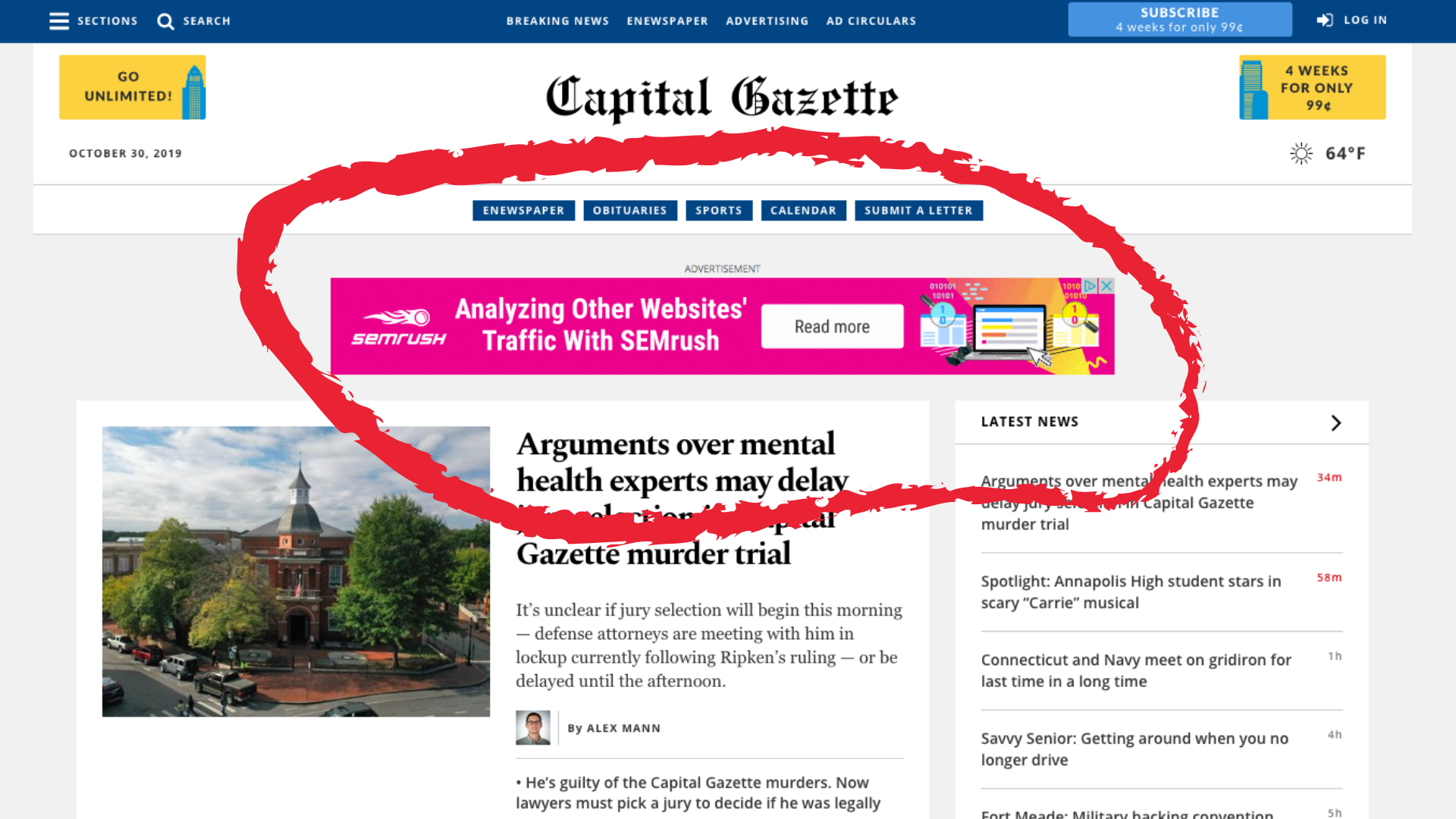
Display campaigns show visual ads across the Google Display Network, which includes millions of websites, apps and Google-owned properties.
Best for:
- Brand awareness
- Remarketing
- Upper-funnel activity
Key features:
- Image, responsive and HTML5 ads
- Audience-based targeting rather than keyword intent
- Vast reach, but typically lower intent than Search
Display works best when used strategically — particularly for remarketing or supporting other campaign types — rather than as a direct-response channel on its own.
Shopping Campaigns
Shopping campaigns are designed specifically for ecommerce advertisers. Instead of keywords, Google uses product data from your Merchant Centre feed to decide when your products appear.
Best for:
- Ecommerce retailers
- Price-competitive markets
- Product-led searches
Key features:
- Product images, prices and merchant names shown directly in ads
- High visibility on search results pages
- Feed quality plays a major role in performance
Shopping campaigns often outperform standard search ads for retail brands, particularly when product data is well optimised.
Performance Max Campaigns
Performance Max (PMax) is Google’s most automated campaign type. It allows advertisers to access all Google inventory — Search, Display, YouTube, Discover, Gmail and Shopping — from a single campaign.
Best for:
- Advertisers comfortable with automation
- Ecommerce and lead generation at scale
- Accounts with clear conversion tracking
Key features:
- Asset-based (headlines, descriptions, images, video)
- Heavy reliance on machine learning
- Limited visibility and control compared to other campaign types
Performance Max can be extremely effective, but it works best when paired with strong data, clear goals and ongoing monitoring.
Video Campaigns
Video campaigns primarily run on YouTube and are designed to engage users through video content.
Best for:
- Brand awareness and consideration
- Product launches
- Storytelling and audience building
Key features:
- Skippable and non-skippable formats
- In-stream, in-feed and Shorts placements
- Audience-first targeting
While traditionally upper-funnel, video campaigns can also support conversions when used with the right formats and audiences.
Demand Gen Campaigns
Demand Gen campaigns are designed to generate demand across visually led placements such as YouTube, Discover and Gmail. They effectively replace and expand on what used to be Discovery campaigns.
Best for:
- Mid-funnel engagement
- Reaching new audiences
- Visually strong brands
Key features:
- Highly visual ad formats
- Strong audience targeting controls
- Focus on consideration rather than immediate intent
Demand Gen sits neatly between awareness and conversion-focused campaign types.
App Campaigns
App campaigns are designed specifically to promote mobile applications, either by driving installs or encouraging in-app actions.
Best for:
- App installs
- App engagement and retention
- Mobile-first businesses
Key features:
- Fully automated setup
- Ads served across Search, Play Store, YouTube and Display
- Minimal manual control
These campaigns rely heavily on Google’s automation and work best when conversion tracking is accurately implemented.
Local Campaigns
Local campaigns are designed to drive footfall to physical locations. Ads appear across Search, Maps, Display and YouTube.
Best for:
- Brick-and-mortar businesses
- Retail, hospitality and service locations
- Driving in-store visits
Key features:
- Location-based targeting
- Integrated with Google Business Profile
- Focus on offline actions
Local campaigns are particularly effective when combined with strong local search presence.
Choosing the Right Campaign Type
There’s no single “best” Google Ads campaign type — the right choice depends entirely on your goals, budget and data maturity.
In most accounts, the strongest results come from combining multiple campaign types, each playing a specific role within the wider strategy.